

LoveChip が 2025年07月23日17時19分05秒 に編集
初版
タイトルの変更
Comparator ICs: The Unsung Decision-Makers
タグの変更
Comparator
ICs
Electronics
メイン画像の変更
記事種類の変更
セットアップや使用方法
ライセンスの変更
(CC BY-SA 4+) Creative Commons Attribution-ShareAlike CC BY-SA version 4.0 or later
本文の変更
In the intricate dance of analog and digital signals that powers our modern technology, a humble yet critical component acts as the decisive judge, transforming continuous whispers of voltage into crisp digital commands. This component is the Comparator Integrated Circuit (IC). While often overshadowed by its close cousin, the operational amplifier (op-amp), the comparator plays an indispensable role in countless applications, from the simplest battery monitor to the most complex industrial control system. This comprehensive guide delves into the definition, inner workings, diverse types, wide-ranging applications, and current industry trends surrounding comparator ICs. **1. Definition: What is a Comparator IC?** At its core, a comparator is an electronic device that compares two input voltages and outputs a digital signal indicating which voltage is higher. Its primary function is binary decision-making based on an analog input threshold. Inputs: A comparator typically has two input pins: oNon-Inverting Input (+ or V+): The voltage applied to this pin is used as the reference point. oInverting Input (- or V-): The voltage applied to this pin is compared against the reference voltage. 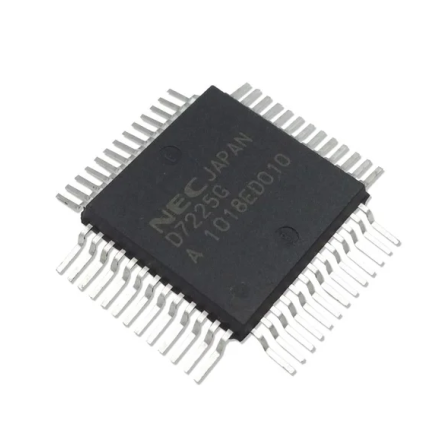 Output: The output is a digital signal, usually: oLogic HIGH (e.g., close to the positive supply voltage, Vcc/Vdd): When the voltage at the non-inverting input (+) is greater than the voltage at the inverting input (-). (V+ > V-) oLogic LOW (e.g., close to the negative supply voltage or ground, Vee/Vss/GND): When the voltage at the non-inverting input (+) is less than the voltage at the inverting input (-). (V+ < V-) Key Distinction from Op-Amps: While comparators share a similar schematic symbol and internal structure with op-amps, they are optimized for a fundamentally different purpose: Op-Amps: Designed for linear operation with feedback, aiming to accurately amplify the difference between inputs (ideally operating in the "linear region"). They strive for stability in closed-loop configurations. Comparator ICs: Optimized for speed and output switching when the input difference crosses zero (operating in "saturation" or "overdrive" regions). They are typically used open-loop (without feedback) to force the output to saturate quickly. They prioritize fast transition times and clean digital output levels over linearity. **2. Internal Operation: The Decision Engine** The basic internal architecture of a comparator resembles a high-gain differential amplifier (similar to an op-amp), but with crucial optimizations: 1.Differential Input Stage: Compares the voltage difference between V+ and V-. 2.High-Gain Amplifier Stage: Provides enormous open-loop gain (often > 100 dB). This extreme gain ensures that even the tiniest voltage difference exceeding the inherent input offset voltage (Vos) will drive the output decisively towards saturation. 3.Output Stage: Designed for digital compatibility. Unlike op-amps, comparator outputs are engineered to: oSwitch cleanly and rapidly between defined HIGH and LOW voltage levels. oSink and source sufficient current to drive common digital logic inputs (TTL, CMOS, ECL) or other loads like LEDs or small relays. oOften feature specific output structures like open-collector or open-drain, providing flexibility for level-shifting or wired-OR configurations.  Critical Parameters: Propagation Delay (tpd): The time it takes for the output to switch states (e.g., from LOW to HIGH) after the input differential crosses the switching threshold. This is paramount for high-speed applications (ns range). Input Offset Voltage (Vos): The small differential voltage that must be applied to the inputs to exactly make the output switch. Lower Vos means higher precision. Input Bias Current (Ib): The small current flowing into (or out of) each input terminal. Important for high-impedance source circuits. Hysteresis: An intentional positive feedback mechanism added to prevent output oscillation ("chatter") when the input signal is very close to the threshold voltage. Can be internal or externally added. Common-Mode Input Voltage Range (CMVR): The range of voltages (relative to the supplies) that can be applied to both inputs simultaneously without damaging the device or causing incorrect operation. Supply Voltage Range: The minimum and maximum voltages (Vcc to Vee or Vdd to GND) the comparator can operate from. Output Current Capability: How much current the output can sink (pull LOW) or source (pull HIGH). Power Consumption: Critical for battery-powered devices (quiescent current - Iq). **3. Types of Comparator ICs** Comparator ICs come in various configurations to suit specific application needs: General-Purpose Comparators: The most common type, offering a balance of speed, power, and cost. Examples: LM311, LM393 (dual), LM339 (quad). High-Speed Comparators: Optimized for very low propagation delay (sub-nanosecond to tens of ns). Crucial for data converters, fast switching circuits, and communication systems. Examples: ADCMP600, TLV3501, MAX961. Low-Power / Nanopower Comparators: Designed for battery-operated and energy-harvesting applications, featuring ultra-low quiescent current (often < 1µA, down to nA range). Speed is usually sacrificed. Examples: LPV7215, TLV7011, MAX9025. Precision Comparators: Feature very low input offset voltage (Vos) and drift, low input bias current, and high gain. Used in measurement equipment, medical devices, and high-accuracy threshold detection. Examples: LT1016, MAX907, ADCMP371. Push-Pull Output Comparators: Have active pull-up and pull-down transistors in the output stage. Provide rail-to-rail output swing without an external pull-up resistor, offering faster rise times. Examples: Many CMOS comparators (e.g., TLV1701). 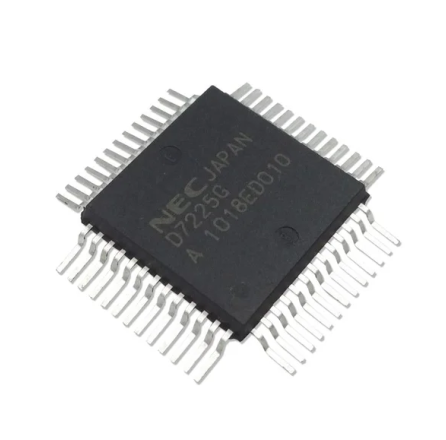 Open-Collector / Open-Drain Output Comparators: Only have an active pull-down transistor in the output stage. Requires an external pull-up resistor to Vcc/Vdd. Advantages: oLevel Shifting: Output HIGH level is defined by the pull-up voltage (can be different from comparator Vcc). oWired-OR: Multiple comparator outputs can be connected together to a single pull-up resistor. oDriving Loads > Vcc: Can drive loads connected to a higher voltage than the comparator's supply. Examples: LM339, LM393. Window Comparators: Combine two comparators internally or externally to detect if an input voltage lies within (or outside) a defined voltage "window" defined by two reference voltages. Examples: LTC6702, TLV6710. Differential Comparators: Specifically designed to compare two differential signals, rejecting common-mode noise effectively. Examples: ADCMP572, MAX9010. Voltage Reference [Integrated Comparators](https://www.lisleapex.com/category-integrated-circuits-ics): Include a precision voltage reference on the same chip, simplifying threshold setting (e.g., TLV3011). Auto-Zeroing / Chopper Stabilized Comparators: Use internal circuitry to periodically cancel out offset voltage and drift, achieving very high precision (low Vos, low drift). Examples: MAX9027, LTC1540. **4. Ubiquitous Applications: Where Comparators Make Decisions** The ability to convert an analog signal into a clean digital decision makes comparators essential across virtually every electronics domain: Zero-Crossing Detection: Detecting the exact moment an AC waveform (like mains voltage) passes through zero volts. Essential for: oDimmer circuits oMotor control (commutation timing) oSwitching power supplies (synchronous rectification) oPhase-locked loops (PLLs) Threshold Detection / Level Shifting: oBattery voltage monitoring (Low-Battery Warning) oOver-Voltage Protection (OVP) / Under-Voltage Protection (UVP) circuits in power supplies oTemperature monitoring (comparing thermocouple/RTD voltage against setpoints) oSignal peak detection oConverting sensor outputs (light, pressure, humidity) into digital alerts Analog-to-Digital Conversion (ADC): Flash ADCs use a bank of comparators (one per quantization level) to rapidly convert an analog input into a digital code. Oscillators & Waveform Generation: oRelaxation oscillators (e.g., square wave generators) oPulse-width modulation (PWM) control circuits Signal Conditioning & Waveform Shaping: oConverting sine waves or noisy signals into clean square waves (squaring circuits) oSchmitt triggers (using hysteresis) for noise immunity in digital signal conditioning Motor Control & Power Electronics: oCurrent limiting detection oOver-current protection oPWM generation for motor speed control and switching converters oMonitoring DC bus voltage Consumer Electronics: oTouch sensor interfaces oKeypad detection oAudio level indicators/clipping detectors oPower management in smartphones/tablets Automotive Electronics: oWheel speed sensors (ABS/ESC) oEngine knock detection oBattery management systems (BMS) - cell voltage monitoring oLighting control oSensor interfaces (position, pressure, temperature) Industrial Control & Automation: oLimit switch monitoring oProcess variable alarms (level, flow, pressure) oSafety interlocks oEncoder signal conditioning Medical Devices: oHeart rate monitor threshold detection oDefibrillator synchronization (detecting R-wave) oImplantable device battery monitoring oSensor signal conditioning (e.g., blood oxygen) Communication Systems: oLine receiver circuits (detecting signal presence/level) oClock recovery circuits **5. Industry Insights: Trends Shaping the Comparator Landscape** The comparator IC market continues to evolve, driven by broader electronics trends: 1.Demand for Lower Power: The explosive growth of IoT devices, wearables, and portable electronics relentlessly pushes the demand for nanopower comparators (<1µA, often <500nA Iq). Manufacturers are innovating in process technology and circuit design to achieve this without excessive sacrifice in speed or precision. 2.Miniaturization: Shrinking package sizes (SC-70, SOT-23, chip-scale packages - CSP) are critical for space-constrained designs like smartphones, wearables, and medical implants. 3.Higher Integration: Integrating comparators with other functions is increasingly common: oComparators with Reference: Simplifies design, improves accuracy. oDual/Quad Comparators: Saves board space and cost. oComparators within Microcontrollers & SOCs: Many modern MCUs include on-chip comparators, sufficient for basic tasks. oPower Management ICs (PMICs): Often incorporate comparators for OVP/UVP/OCP monitoring and control loops. 4.Increased Speed for High-Bandwidth Applications: Growth in data centers, 5G infrastructure, high-speed instrumentation, and advanced driver assistance systems (ADAS) fuels demand for faster comparators with propagation delays below 1ns. 5.Improved Precision: Applications in industrial automation, test and measurement, and medical diagnostics require ever-lower offset voltage (Vos < 100µV, even sub-10µV with auto-zeroing) and lower drift over temperature and time. 6.Wider Voltage Ranges: oHigh-Voltage: Comparators capable of operating directly from industrial supplies (e.g., 30V, 36V, 60V) simplify interface design in automotive and industrial settings. 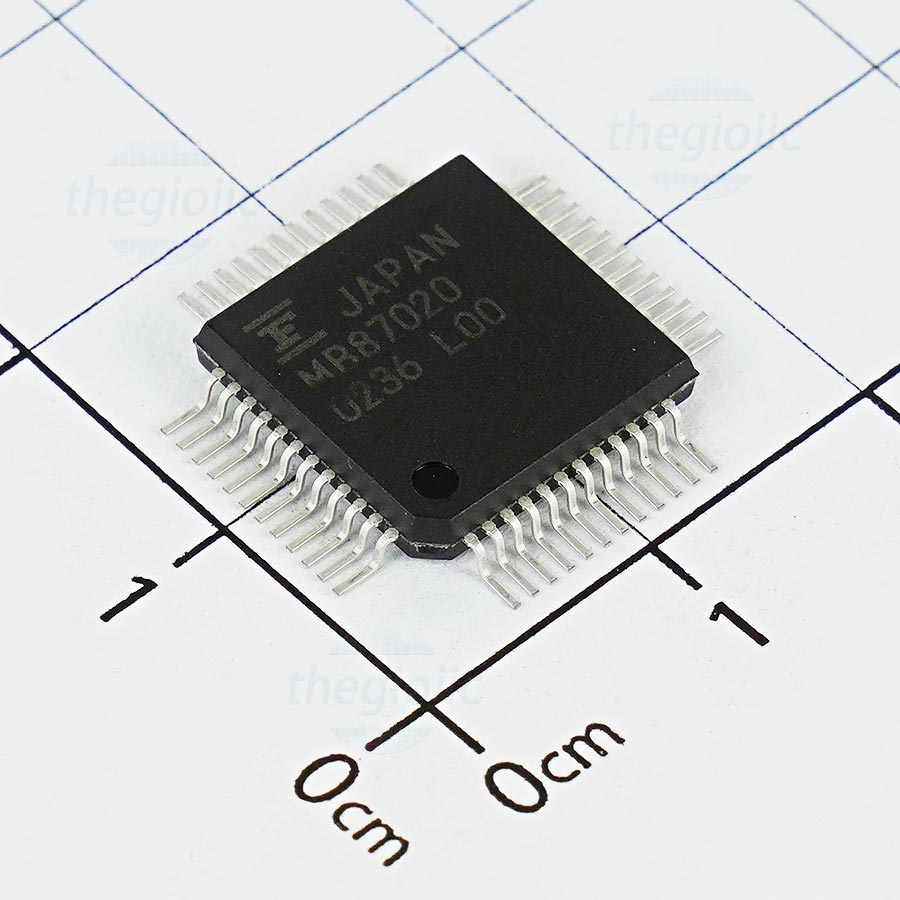 oLow-Voltage: Support for deep sub-1V operation caters to advanced low-power digital cores. 7.Enhanced Robustness: Requirements for higher reliability in automotive (AEC-Q100 qualified), industrial (wider temperature ranges -40°C to +125°C), and harsh environments drive designs with better ESD protection and latch-up immunity. 8.Rail-to-Rail Input/Output (RRIO): Becoming standard, especially in low-voltage applications, to maximize dynamic range and interface flexibility with modern sensors and digital circuits. 9.Focus on EMI/RFI Immunity: As electronic systems become denser and operate at higher frequencies, comparator designs need better inherent immunity to electromagnetic interference to prevent false triggering. 10.Cost Optimization: While high-performance niches exist, intense competition in consumer and industrial markets drives continuous cost reduction efforts through design optimization and manufacturing efficiencies. Market Size & Growth: The global comparator IC market is a significant segment within the broader analog IC market. While precise figures vary by source, it consistently shows steady growth, driven by the factors above, particularly the proliferation of IoT, automotive electrification, and industrial automation. Estimates often project a Compound Annual Growth Rate (CAGR) in the mid-single digits over the next 5-10 years. **Conclusion: The Indispensable Decision Element** Comparator ICs, though conceptually simple, are fundamental building blocks of modern electronics. Their ability to act as the critical interface between the nuanced world of analog signals and the decisive realm of digital logic makes them indispensable. From ensuring the safety of a power supply to enabling the precise timing in a high-speed communication link or extending the battery life of a wearable device, comparators quietly perform millions of vital decisions every second across countless applications. Understanding the different types, key parameters, and diverse applications allows engineers to select the optimal comparator for their specific needs. As industry trends push towards lower power, smaller size, higher integration, increased speed, and greater precision, comparator technology continues to evolve, solidifying its essential role in shaping the future of electronic systems. The next time you use a device powered by electronics, remember the unsung comparator ICs working diligently behind the scenes, making the critical binary choices that keep everything running smoothly.