

chrmlinux03 が 2026年05月15日08時57分16秒 に編集
コメント無し
本文の変更
# すべてはここから始まった - [USB2Gamepad](https://elchika.com/article/bc2b1fe1-510d-4857-af48-e5f1b3b2f52b/) - [USB2Monitor](https://elchika.com/article/bd102ba0-f422-416e-b521-b9d4ba556249/) - [USB2Grove](https://elchika.com/article/c9642572-63fa-4c68-b583-2940f9184578/)
# CH32V003J4M6 (SOP8) USB-HID ゲームパッド ## ハードウェア ``` // +---_---+ // (Btn1)PD6 [1]| |[8] PD4 (Btn4) // GND [2]| |[7] PC4 (Btn3) // (Btn2)PA2 [3]| |[6] PC2 (白) D+ // VCC [4]| |[5] PC1 (緑) D- // +-------+ ``` **USB配線** - PC1 (Pin5) --- 22Ω --- USB D- (白) - PC2 (Pin6) --- 22Ω --- USB D+ (緑) - PC2 (Pin6) --- 1.5kΩ --- 3.3V (プルアップ) --- ## ソフトウェア構成 - **ライブラリ**: [rv003usb](https://github.com/cnlohr/rv003usb) (ソフトウェアUSB実装) - **ビルド環境**: WSL (Ubuntu 22.04) + make - **ツールチェーン**: riscv64-unknown-elf-gcc --- ## ハマりポイント ### 1. USB ピンの制約 rv003usb は `c.andi` 命令の制約により **GPIO 0-4 のみ** D+/D- に使用可能。**PD5-PD7 は使用不可。** ### 2. ポートの選択 SOP8 では使えるピンが少ない。PC1/PC2 が USB に最適。 ### 3. DEBUGPRINTF の無効化 `funconfig.h` で `FUNCONF_USE_DEBUGPRINTF 0` にしないと PD5 が UART に取られてボタンが不安定になる。 ### 4. Delay_Ms と USB の競合 メインループで `Delay_Ms` を使うと USB が止まる場合がある。短い値 (10ms程度) なら問題なし。 ### 5. ボタンの論理 内部プルアップ使用時、押すと LOW になるので `!GPIO_digitalRead()` で読む。 ### 6. GPIO ライブラリ `ch32v003_GPIO_branchless.h` を使うと `GPIO_pinMode` / `GPIO_digitalRead` が使えてシンプルに書ける。 --- ## VID/PID について - VID `0x1209` は [pid.codes](https://pid.codes) のオープンソース用 - 個人開発・OSS公開は無料で利用可能 - **販売時は正式な VID/PID の取得が必要** --- ## 完成コード ```c #include "ch32fun.h" #include "rv003usb.h" #include "ch32v003_GPIO_branchless.h" static volatile uint8_t x_axis = 127; static volatile uint8_t y_axis = 127; static volatile uint8_t buttons = 0; int main() { SystemInit(); funGpioInitD(); GPIO_port_enable(GPIO_port_A); GPIO_port_enable(GPIO_port_C); GPIO_port_enable(GPIO_port_D); GPIO_pinMode(GPIOv_from_PORT_PIN(GPIO_port_D, 6), GPIO_pinMode_I_pullUp, GPIO_Speed_In); GPIO_pinMode(GPIOv_from_PORT_PIN(GPIO_port_A, 2), GPIO_pinMode_I_pullUp, GPIO_Speed_In); GPIO_pinMode(GPIOv_from_PORT_PIN(GPIO_port_C, 4), GPIO_pinMode_I_pullUp, GPIO_Speed_In); GPIO_pinMode(GPIOv_from_PORT_PIN(GPIO_port_D, 4), GPIO_pinMode_I_pullUp, GPIO_Speed_In); usb_setup(); while(1) { buttons = 0; if (!GPIO_digitalRead(GPIOv_from_PORT_PIN(GPIO_port_D, 6))) buttons |= (1 << 0); if (!GPIO_digitalRead(GPIOv_from_PORT_PIN(GPIO_port_A, 2))) buttons |= (1 << 1); if (!GPIO_digitalRead(GPIOv_from_PORT_PIN(GPIO_port_C, 4))) buttons |= (1 << 2); if (!GPIO_digitalRead(GPIOv_from_PORT_PIN(GPIO_port_D, 4))) buttons |= (1 << 3); Delay_Ms(10); } } void usb_handle_user_in_request( struct usb_endpoint * e, uint8_t * scratchpad, int endp, uint32_t sendtok, struct rv003usb_internal * ist ) { if( endp ) { uint8_t report[3] = { x_axis, y_axis, buttons }; usb_send_data( report, 3, 0, sendtok ); } else { usb_send_empty( sendtok ); } } ``` ## 検証 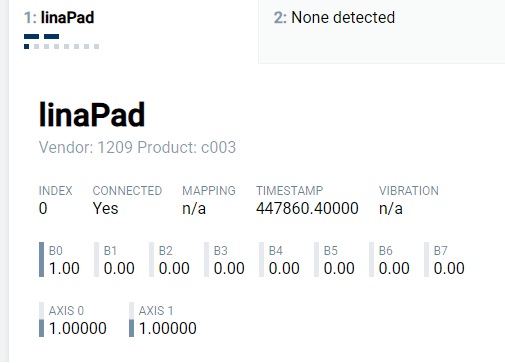 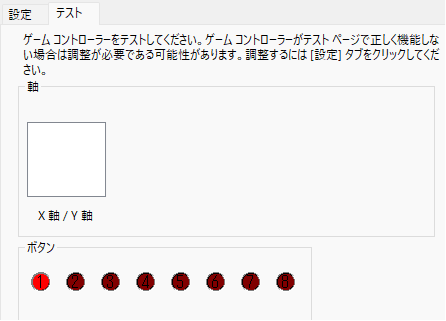 ## さいごに うわ~ ちょっとハマりどころ満載だけど USB機器が作れる #linaDuinoは凄いね